Healthy, long hair doesn’t have to come with a high price tag. With the right daily habits, a balanced diet, and simple home remedies, you can naturally support faster, stronger hair growth without spending money on expensive products. In this guide, you’ll discover easy and effective tips to boost hair growth from the comfort of your home.
Why Hair Stops Growing
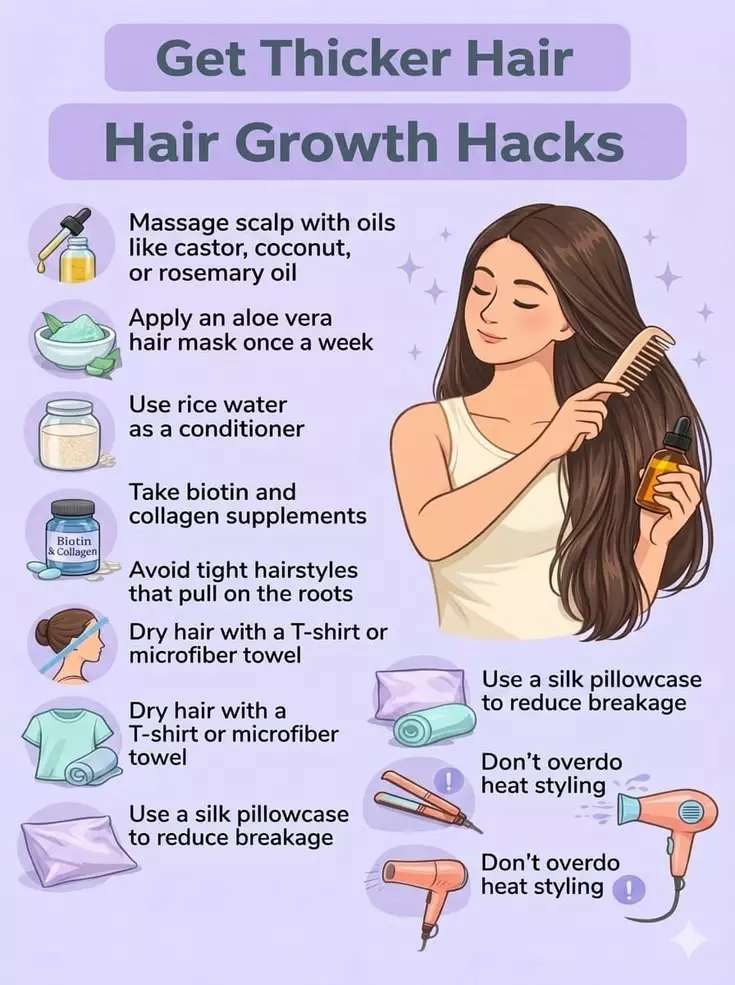
Many people believe their hair has completely stopped growing, but in most cases, it is actually growing more slowly or breaking before it can reach a longer length. Several factors can affect the natural hair growth cycle, including poor nutrition, stress, hormonal changes, genetics, and an unhealthy scalp.
Frequent heat styling, chemical treatments, and excessive hair breakage can also prevent your hair from looking longer and healthier. By identifying the root cause and following the right hair growth tips, maintaining a balanced diet, and caring for your scalp, you can support stronger, healthier, and more consistent hair growth over time.
Best Hair Growth Tips
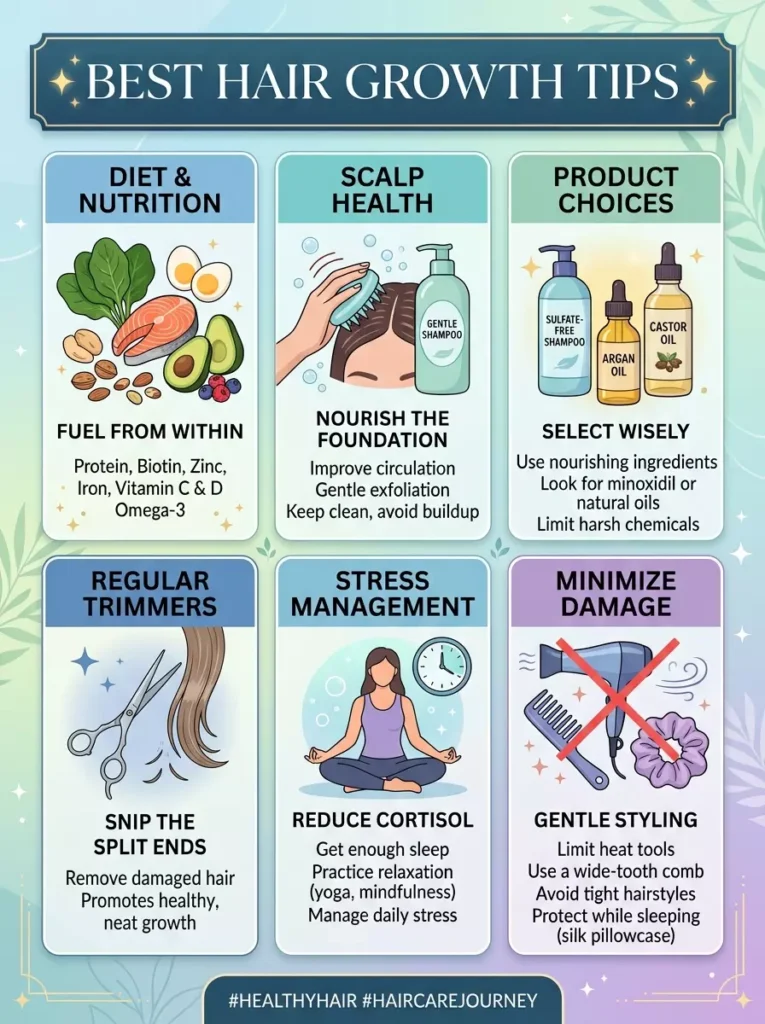
Growing healthy, thick, and strong hair requires consistency and the right care routine. While there is no overnight solution, following the best hair growth tips can improve scalp health, reduce hair breakage, and support natural hair growth over time. Focus on eating a nutrient-rich diet, staying hydrated, massaging your scalp regularly, and using gentle hair care products that suit your hair type. Combining healthy lifestyle habits with proper hair care can help you achieve longer, stronger, and healthier hair naturally.
Foods for Hair Growth
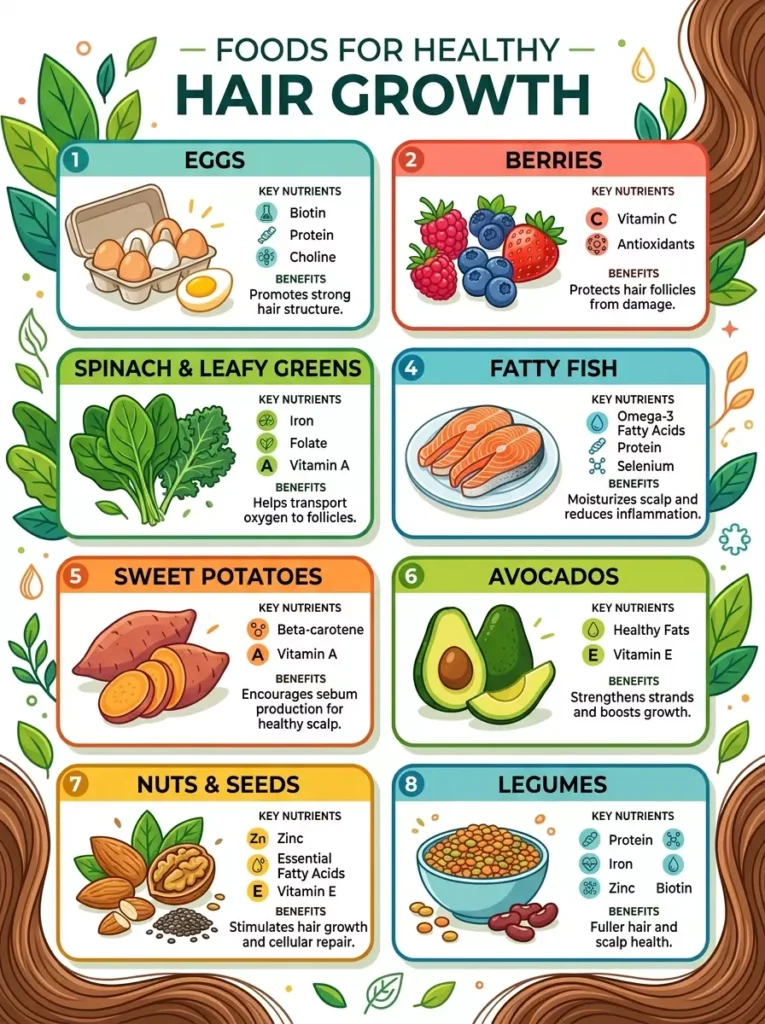
The foods you eat have a direct impact on the health and growth of your hair. Hair follicles need a steady supply of nutrients to produce strong, healthy strands, so eating a balanced diet is just as important as using quality hair care products. Protein-rich foods such as eggs, chicken, fish, and Greek yogurt provide the building blocks for healthy hair because hair is primarily made of keratin, a type of protein.
Leafy green vegetables like spinach and kale are excellent sources of iron, while nuts and seeds provide healthy fats, zinc, and vitamin E that help nourish the scalp. Fruits such as berries, oranges, and avocados are packed with antioxidants and vitamins that protect hair follicles from damage and support healthy hair growth. Including salmon, sweet potatoes, beans, and whole grains in your meals can also improve hair strength, reduce breakage, and promote thicker, shinier hair over time. A healthy diet combined with proper hydration creates the ideal environment for natural hair growth.
Vitamins for Hair
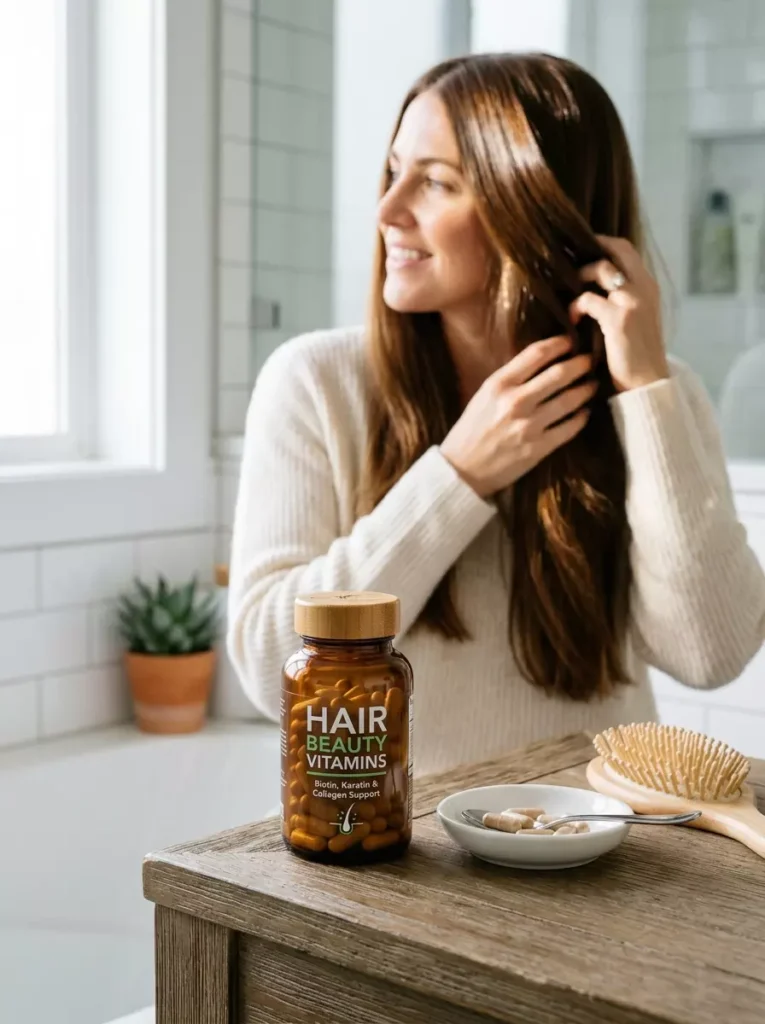
Vitamins and minerals play a vital role in keeping your hair healthy, strong, and resistant to damage. If your body lacks essential nutrients, your hair may become thin, weak, or grow more slowly than usual. Biotin (Vitamin B7) supports keratin production, while Vitamin D helps maintain healthy hair follicles and may reduce excessive hair shedding. Vitamin C improves collagen production and helps the body absorb iron, which is essential for delivering oxygen to the hair roots.
Vitamin E protects the scalp from oxidative stress, while minerals such as iron and zinc contribute to healthy hair growth and reduce hair fall caused by nutritional deficiencies. Omega-3 fatty acids also nourish the scalp and help keep hair moisturized from within. Although supplements may be beneficial for people with diagnosed deficiencies, getting these nutrients from a balanced diet is generally the healthiest and most effective approach for maintaining long, thick, and healthy hair.
Home Remedies
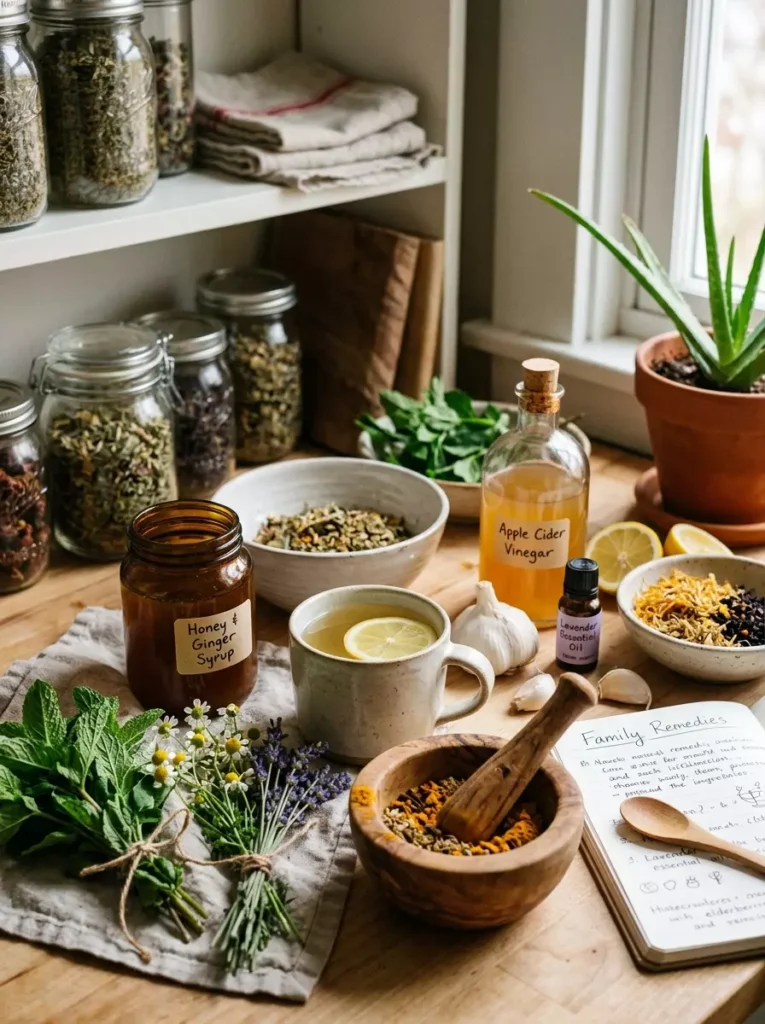
Natural home remedies have been used for generations to improve scalp health and support healthy hair growth. While they do not produce overnight results, consistent use can help strengthen hair, reduce dryness, and create a healthier environment for hair follicles. Massaging the scalp with rosemary oil, coconut oil, or castor oil may improve blood circulation, allowing nutrients to reach the hair roots more effectively.
Aloe vera gel is known for its soothing and moisturizing properties, making it useful for reducing scalp irritation and dandruff. Onion juice contains sulfur compounds that may help strengthen hair and improve follicle function when used carefully. Homemade hair masks made with ingredients like yogurt, honey, banana, or eggs can provide additional moisture and nourishment. When combined with a healthy lifestyle and a proper hair care routine, these simple home remedies can contribute to healthier, shinier, and stronger hair over time.
Hair Care Routine
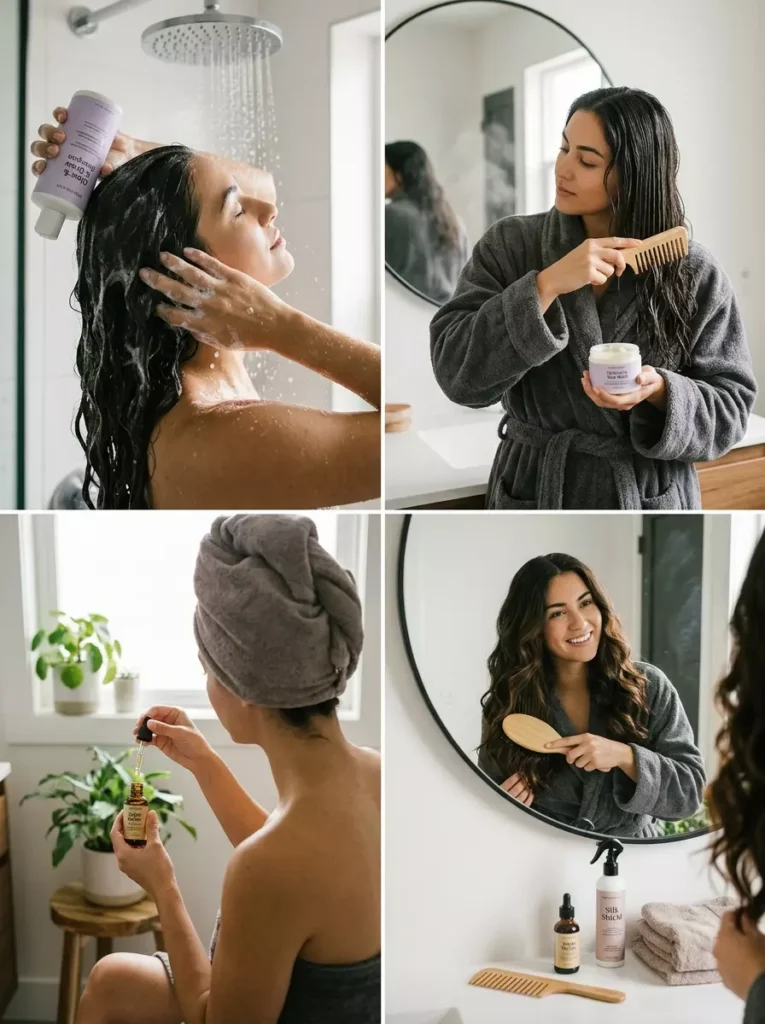
Following a consistent hair care routine is one of the most effective ways to maintain healthy hair and encourage steady growth. Start by washing your hair with a gentle shampoo that matches your hair type to remove dirt, oil, and product buildup without stripping away natural moisture. Always follow with a nourishing conditioner to keep your hair soft, manageable, and protected from breakage.
Avoid using hot styling tools every day, as excessive heat can weaken the hair shaft and lead to split ends. Regular scalp massages can improve blood circulation, while trimming damaged ends every few months helps maintain healthier-looking hair. It is also important to protect your hair from excessive sun exposure, pollution, and harsh chemicals. Drinking enough water, managing stress, getting quality sleep, and eating nutrient-rich foods all work together to support a healthy scalp and stronger, longer hair naturally.
Mistakes to Avoid
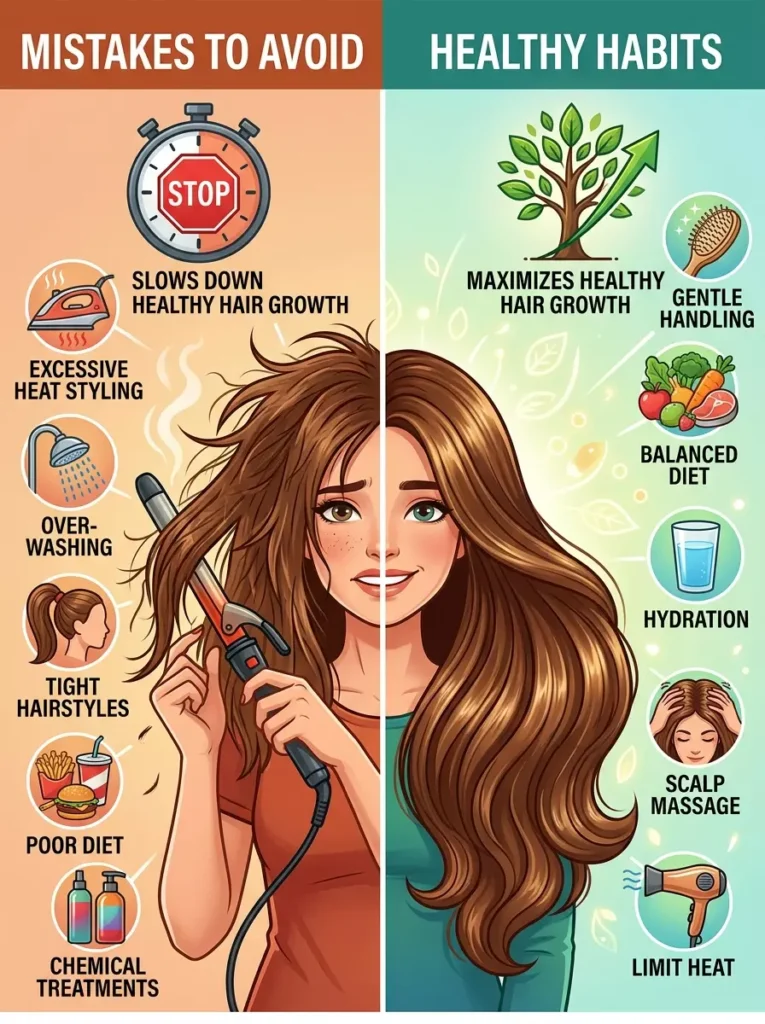
Many people unknowingly damage their hair through everyday habits that slow down healthy hair growth. Washing your hair too frequently with harsh shampoos can remove the scalp’s natural oils, leaving your hair dry and more likely to break. Excessive use of heat styling tools, chemical treatments, hair dyes, and tight hairstyles can weaken the hair strands and place unnecessary stress on the hair follicles. Brushing wet hair aggressively or using poor-quality hair accessories may also cause breakage and split ends.
Skipping conditioner, neglecting scalp care, eating an unhealthy diet, and not drinking enough water can all affect the overall condition of your hair. By avoiding these common mistakes and adopting healthier hair care habits, you can protect your hair from damage and support stronger, thicker, and healthier hair growth in the long run.
Hair Growth Myths
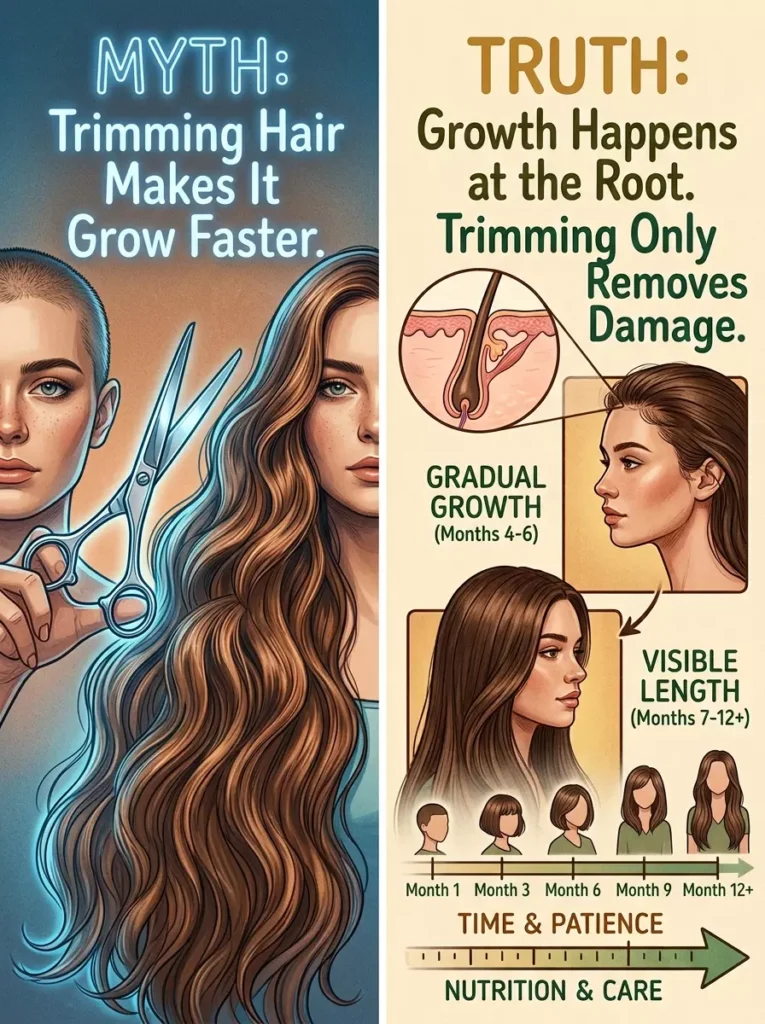
There are many myths about hair growth that often lead people to waste time and money on ineffective treatments. One of the most common misconceptions is that cutting your hair frequently makes it grow faster. In reality, trimming only removes damaged split ends and helps your hair look healthier—it does not affect the speed of hair growth, which occurs at the scalp. Another popular myth is that expensive shampoos or miracle products can instantly grow long hair.
The truth is that healthy hair growth depends on factors such as genetics, nutrition, scalp health, hormones, and consistent hair care habits. Similarly, brushing your hair hundreds of times a day does not stimulate faster growth and may actually increase breakage. Understanding these myths allows you to focus on proven hair growth tips and build realistic expectations for Achieving healthier, longer, and stronger hair naturally.
Frequently Asked Questions
How can I make my hair grow faster naturally?
The best hair growth tips include eating a balanced diet, massaging your scalp regularly, staying hydrated, and following a gentle hair care routine. Consistency is the key to healthy hair growth.
What are the best hair growth tips for thicker hair?
To achieve Thicker Hair, focus on protein-rich foods, essential vitamins, scalp care, and avoiding excessive heat styling. Healthy daily habits can improve hair strength and volume over time.
Which foods help promote hair growth?
Foods like eggs, salmon, spinach, nuts, berries, and sweet potatoes provide important nutrients that support healthy hair follicles and encourage natural hair growth.
Do home remedies really help with hair growth?
Some home remedies, such as rosemary oil, coconut oil, aloe vera, and regular scalp massages, may improve scalp health and support stronger, healthier hair when used consistently.
How often should I wash my hair for healthy growth?
Most people benefit from washing their hair two to three times a week with a gentle shampoo, although the ideal routine depends on your hair type and scalp condition.
Conclusion
Growing healthy, beautiful hair doesn’t have to be expensive. By following a nutritious diet, maintaining a consistent hair care routine, reducing stress, and using natural home remedies, you can support stronger and faster hair growth over time. Remember, patience and consistency are key—natural results don’t happen overnight, but with the right habits, you’ll be on your way to healthier, longer hair without spending a fortune on costly products.